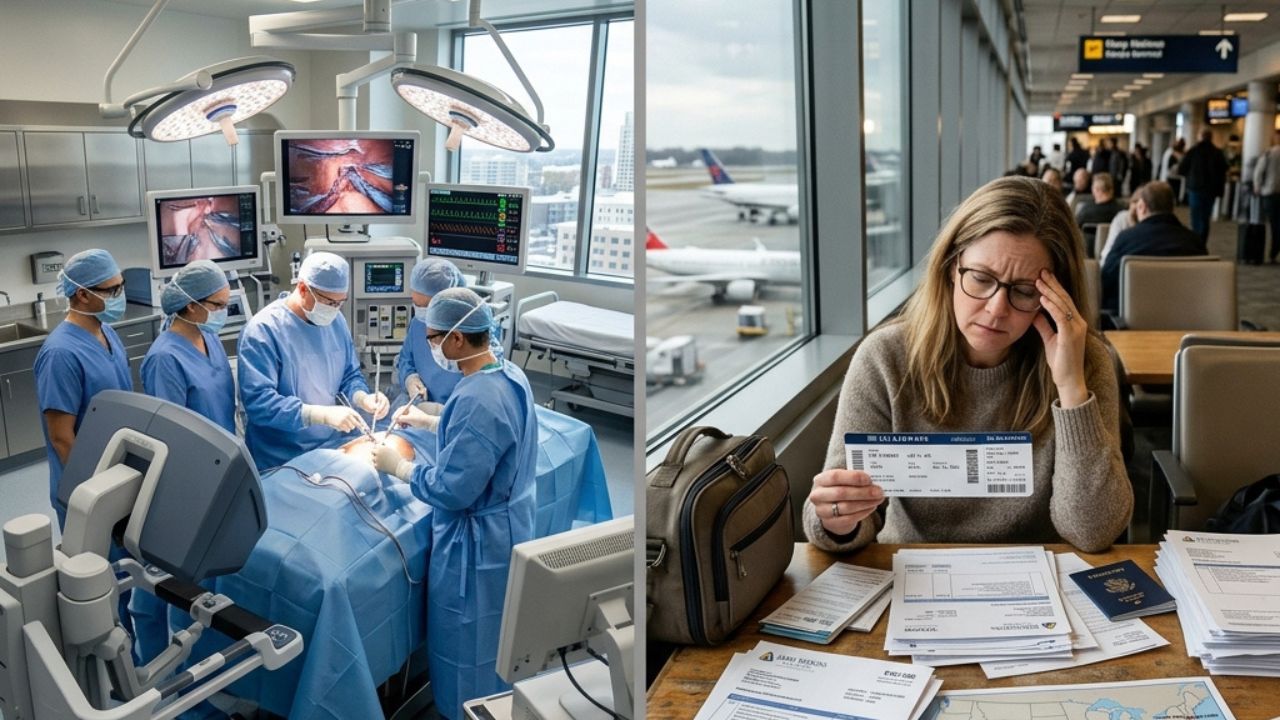
Every year, millions of people travel across international borders seeking medical treatment. This practice, known as medical tourism, allows patients to access procedures, specialists, and facilities that might be unavailable or inadequate in their home countries.
When people think of medical tourism, they often picture traveling to destinations like Mexico, India, or Thailand for affordable dental work or elective surgeries. However, the United States remains one of the top destinations for patients seeking world-class medical care.
The United States offers a unique proposition for international patients. It boasts some of the most advanced healthcare infrastructure on the planet, heavily funded research institutions, and globally recognized medical specialists. Yet, this high level of care comes with a well-known caveat: the steep price tag. The perceived high cost of American healthcare frequently deters potential patients, leaving them to wonder if traveling to the US for medical treatment is a financially sound decision.
Understanding the balance between exceptional care and significant financial investment is crucial for anyone considering the USA as a medical destination. This guide will break down the appeal, the costs, the benefits, and the challenges of seeking medical treatment in the United States, helping you make a highly informed healthcare decision.
The Appeal of US Medical Care
The United States attracts medical tourists primarily because of its reputation for clinical excellence and innovation. Patients often look past the high costs because they are seeking the absolute best outcomes for serious health conditions.
Advanced Medical Technology and Infrastructure
Hospitals in the US are heavily equipped with cutting-edge medical technology. From robotic surgery systems and advanced imaging machines to state-of-the-art proton therapy centers for cancer treatment, American medical facilities frequently adopt new technologies long before they become available globally. This infrastructure allows for highly precise diagnostics and minimally invasive surgical techniques.
Highly Skilled Specialists and World-Renowned Hospitals
The US is home to globally recognized institutions like the Mayo Clinic, Cleveland Clinic, and Johns Hopkins Hospital. These facilities attract top-tier medical talent from around the world. Physicians in the US undergo rigorous training and credentialing, ensuring a high standard of expertise. Patients traveling to the US often do so specifically to be treated by a leading expert in a highly specialized medical subfield.
Quality of Care and Patient Safety Standards
American healthcare facilities are subject to strict regulatory oversight by organizations such as the Joint Commission. These standards ensure rigorous patient safety protocols, low infection rates, and comprehensive care standards. For many international patients, this heavily regulated environment provides immense peace of mind.
Access to Innovative Treatments and Clinical Trials
Because the US is a global hub for medical research and pharmaceutical development, patients have access to experimental treatments and clinical trials. For individuals facing rare diseases or advanced-stage cancers, participating in a US-based clinical trial might represent the most promising path forward.
Deconstructing the High Cost Perception
It is no secret that healthcare in the United States is expensive. To determine if the cost is justified, patients must first understand what drives these high prices and how they compare to the global market.
Factors Contributing to High Healthcare Costs
The US healthcare system is uniquely complex. Unlike countries with single-payer systems, the US relies on a mix of private insurance and government programs. This leads to massive administrative overhead. Additionally, the lack of price controls on pharmaceuticals means prescription drugs cost significantly more. Malpractice insurance and the defensive medicine practiced by doctors also inflate the overall bill.
Comparison with Other Destinations
If a patient needs a standard hip replacement, traveling to a country like Costa Rica or Turkey will undoubtedly be cheaper than having the procedure done in New York or California. In these cases, the US struggles to compete on price. The United States generally appeals to a different segment of the medical tourism market: those seeking complex, specialized, or life-saving procedures where expertise heavily outweighs the desire for a bargain.
What is Included in the Cost
When calculating the cost of medical tourism in the US, patients must look beyond the hospital bill. The total financial commitment includes flights, extended accommodation for recovery, visa application fees, and daily living expenses. Furthermore, post-care follow-ups or complications can rapidly escalate the final total.
Potential Benefits for Medical Tourists
Despite the financial hurdles, the benefits of receiving medical care in the US can be life-changing for many international patients.
Access to Specialized Treatments
Many countries lack the resources to treat rare or highly complex conditions. The US medical system is vast and highly specialized, meaning patients can find dedicated centers for almost any specific illness, from rare pediatric genetic disorders to complex neurological tumors.
Shorter Wait Times
In countries with public healthcare systems, patients often face agonizingly long wait lists for non-emergency surgeries. By choosing to pay out-of-pocket as a medical tourist in the US, patients can bypass these delays and receive immediate care, which is vital for conditions that worsen over time.
Higher Success Rates
For complex procedures, high volume generally correlates with high success rates. US surgeons at major medical centers perform intricate procedures frequently, refining their skills and improving patient outcomes. This high success rate is a major draw for patients undertaking risky surgeries.
Second Opinions from Leading Experts
Sometimes, patients do not travel to the US for surgery, but simply for a diagnosis. Getting a second opinion from a leading American specialist can confirm a treatment plan, prevent an unnecessary procedure, or introduce a completely new therapeutic approach.
Challenges and Considerations
Traveling to the USA for medical care is not entirely seamless. Patients must navigate several significant hurdles before, during, and after their treatment.
Financial Burden and Lack of Transparency
Navigating hospital billing in the US is notoriously confusing. Prices for the same procedure can vary wildly between hospitals, and obtaining a clear, upfront estimate can be difficult. Patients must be prepared for unexpected costs and demand transparent pricing quotes before committing.
Visa and Travel Logistics
International patients must secure a B-2 visa (for medical treatment) to enter the US. This requires proving the ability to pay for the treatment and demonstrating ties to the home country. Coordinating flights, ground transportation, and accessible lodging near the hospital adds another layer of stress.
Language Barriers and Cultural Differences
While many major US hospitals offer translation services, navigating complex medical jargon in a second language can be intimidating. Cultural differences regarding patient autonomy, bedside manner, and dietary options during hospital stays can also cause friction.
Post-Treatment Care
Recovery does not end when the patient leaves the US hospital. Coordinating follow-up care, transferring medical records back to the home country, and handling potential complications from a distance require meticulous planning and communication between US doctors and local physicians.
Case Studies and Patient Experiences
To understand the real-world application of US medical tourism, it helps to look at typical patient scenarios.
Consider a hypothetical patient from Europe diagnosed with a rare, aggressive form of brain cancer. Local doctors may only offer standard radiation and chemotherapy. By traveling to a specialized neuro-oncology center in the US, the patient gains access to a novel immunotherapy clinical trial. The cost is substantial, but the access to a potentially life-saving treatment makes the journey worthwhile.
Another example involves a patient from Canada needing a specialized heart valve repair. Facing a multi-year waitlist at home, the patient travels to the Cleveland Clinic. By paying out-of-pocket, they receive the surgery within weeks, preventing permanent heart damage and allowing a rapid return to normal life.
Strategies to Mitigate High Costs
If you decide to pursue medical treatment in the USA, there are ways to manage and mitigate the steep financial requirements.
Researching Pricing and Getting Detailed Quotes
Never accept the first price you see. Contact international patient departments at several different hospitals and request comprehensive, itemized quotes. Ask specifically about self-pay discounts, which many hospitals offer to uninsured or international patients paying in cash.
Exploring Medical Tourism Facilitators
Medical tourism agencies specialize in connecting patients with hospitals. They can help negotiate prices, arrange travel logistics, and provide translation services. While they charge a fee, their established relationships with hospitals can sometimes secure lower overall treatment rates.
Understanding Insurance Coverage
Check your current health insurance policy. While rare, some high-tier international health insurance plans offer coverage for treatments in the US, especially if the procedure is unavailable locally.
Considering Bundled Packages
Some US medical centers offer bundled pricing for international patients. This means a single, flat fee covers the surgeon, anesthesiologist, hospital stay, and standard follow-up care. Bundled pricing provides much-needed financial predictability.
Is it Worth It? A Balanced Perspective
Determining whether medical tourism in the USA is worth the high cost is a deeply personal decision that depends entirely on the patient’s specific circumstances.
When the USA is the Best Option
The United States is the premier choice if you require highly complex surgery, suffer from a rare disease, or want to participate in cutting-edge clinical trials. If your primary goal is accessing the absolute highest tier of medical expertise and technology, the US healthcare system delivers exceptional value despite the cost.
When Alternatives Might Be More Suitable
If you are seeking routine elective procedures, cosmetic surgery, standard joint replacements, or basic dental care, the US is likely not the most cost-effective choice. Destinations with lower costs of living and heavily subsidized healthcare sectors can provide excellent care for these standard procedures at a fraction of the US price.
Making Your Healthcare Decision
Medical tourism in the United States represents a significant investment of time, money, and energy. The US medical system offers unparalleled access to advanced technology, world-class specialists, and innovative treatments. However, the complex billing system and high baseline costs require patients to be highly proactive and meticulous in their planning.
By carefully researching hospitals, demanding transparent pricing, and accurately weighing the complexity of your medical needs against your financial capacity, you can make an empowered decision. Ultimately, the worth of US medical tourism is measured not just in dollars spent, but in the quality of life and health outcomes achieved.